
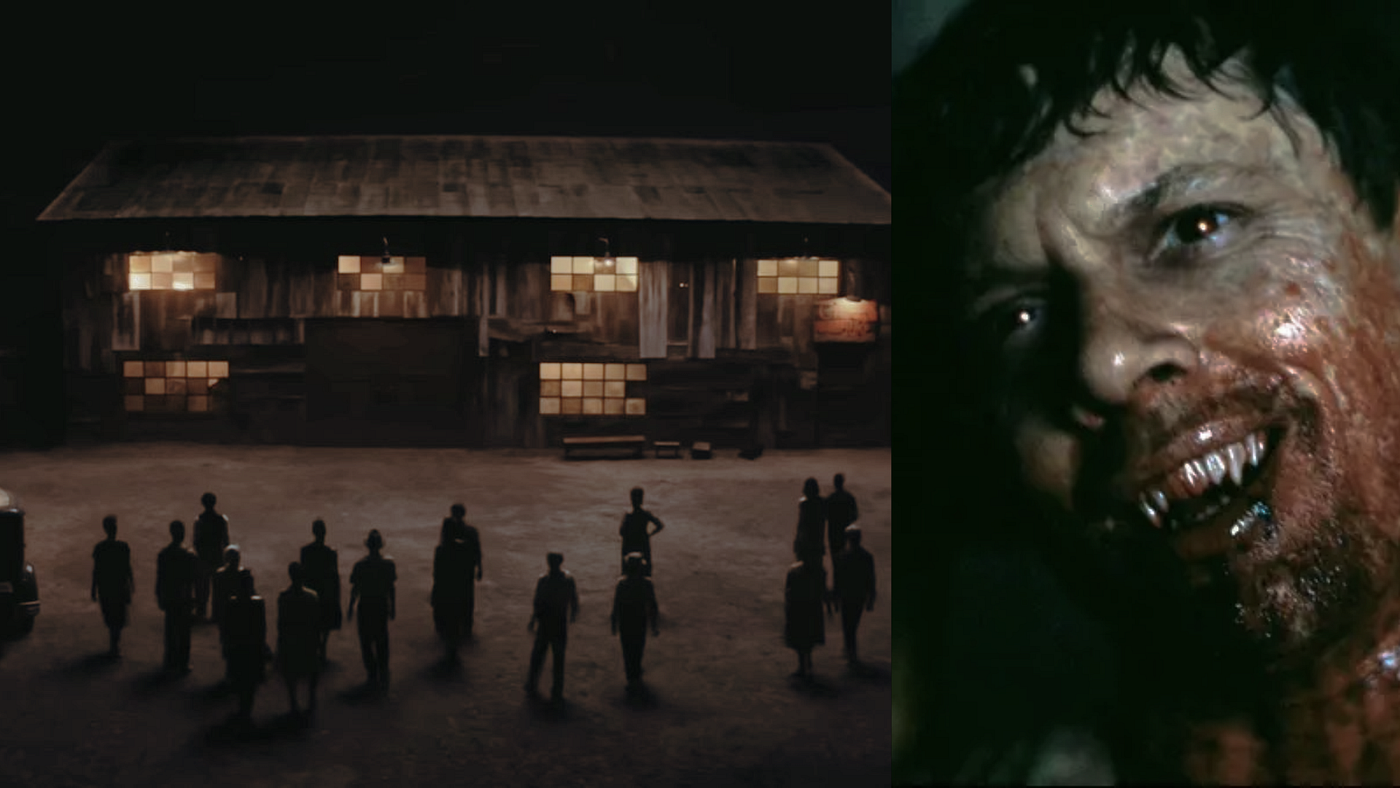
Since its April debut, Sinners has been one of the most talked-about entries in modern vampire cinema, not only for its gritty storytelling and unapologetic violence but also for the lore it builds around vampiric hierarchy and influence. At the center of the discussion is one key question: Did Remmick, the head vampire, actually have mind control over all the vampires in the film?
Theories online have been split. Some argue that Remmick’s position as the apex predator meant that every vampire in the story was bound to his will, operating in a hive mind structure. Others believe that the film presents a more nuanced take, one where vampires retained some autonomy, despite the overarching presence of their leader. After revisiting the movie and its subtle character beats, I lean toward the latter interpretation.
The Hive Mind Theory
In Sinners, the lore is clear on one point: once a vampire attacks a person and kills them through a brutal mauling, the victim rises from the dead as one of the undead. Upon resurrection, the newly turned vampire is supposedly “linked” to the head vampire — in this case, Remmick. This link, according to the hive mind theory, means their thoughts, objectives, and actions are ultimately shaped by Remmick’s influence.
Fans who subscribe to this idea point to moments where Remmick’s presence looms over the others even when he is not physically there. Several action sequences give the impression that the lesser vampires are moving with a shared purpose, almost like soldiers following an unseen commander’s orders. This is especially evident in scenes where groups of vampires converge on victims in a coordinated fashion.
From this perspective, Remmick’s “control” is less about direct telepathic commands and more about an unbreakable psychological tether that keeps his converts loyal, obedient, and aligned with his goals.
The Case Against Complete Mind Control
While the hive mind concept works in many vampire narratives, Sinners doesn’t fully commit to it — and that’s why I believe Remmick’s control was limited.
The biggest piece of evidence comes from Stack, one of the film’s most compelling characters. Late in the movie, Stack refrains from killing Sammie, a choice rooted in a promise he made to his brother, Smoke. If Remmick truly had complete mind control, Stack’s decision would have been impossible. No personal loyalty, no emotional bond, should have been able to override the head vampire’s will.
The film’s epilogue in the early 1990s drives this point home. By then, Sammie has aged naturally while Stack and Mary remain preserved in their youthful vampire forms. Sammie even refuses an offer from Stack to join him in immortality, suggesting that their relationship operated outside of Remmick’s supposed influence. If all vampires were mindless extensions of the head, moments of free choice like this would not exist.
Possible Middle Ground
Rather than thinking in absolutes, it’s possible that Sinners depicts a partial or selective influence. In this interpretation, Remmick could exert a strong pull over his vampires when necessary, but they retained their personalities, memories, and certain freedoms.
This would explain why many vampires in the film moved in unison during attacks, yet still displayed individuality in personal interactions. It also leaves room for exceptions, like Stack’s loyalty to his brother, which could overpower Remmick’s influence in unique situations.
Vampire Lore in Context
To better understand what Sinners might be drawing from, it’s worth looking at typical vampire lore across literature and film:
Conversion Rules – In most vampire stories, transformation occurs after being bitten or drained to death and then fed vampire blood. Sinners swaps the blood exchange for a more primal, violent “mauling” approach, emphasizing brutality over ritual.
Sire Bonds – Many myths feature a bond between sire and progeny, which can range from a mild psychic connection to full control. Some universes, like The Vampire Diaries, lean heavily into the sire bond dictating behavior, while others, like Blade, depict vampires with autonomy once turned.
Longevity and Aging – Immortality is standard, but exceptions exist. In Sinners, Stack and Mary’s preserved youth contrast sharply with Sammie’s natural aging, underscoring the choice that comes with embracing vampirism.
Hive Minds – The concept of a central vampire whose will dominates the group is common in certain horror traditions, often making the death of the leader the only way to break the chain.
By pulling from these traditions but not fully committing to one, Sinners keeps its vampire world open-ended — a storytelling choice that fuels ongoing fan debate.
While Sinners contains enough evidence to support the idea of Remmick exerting some degree of influence over his vampires, it stops short of confirming full hive mind control. The existence of personal loyalties, moral choices, and exceptions like Stack’s promise suggests that autonomy remains possible, even under the shadow of a head vampire.
In the end, that ambiguity might be the point. The film thrives in the space between certainty and mystery, keeping its monsters as unpredictable as the humans they prey on. Whether intentional or not, this open-ended approach ensures that the question — Did Remmick control them all? — will keep sparking discussions long after the credits roll.



