
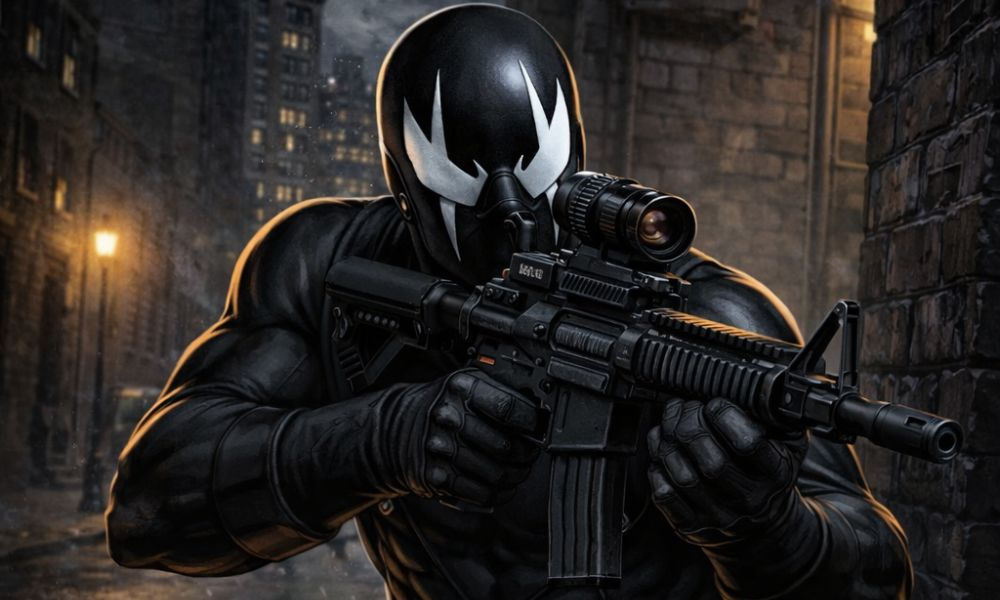
The anti-hero has become one of the most recognizable figures in modern storytelling. These characters live in the gray space between hero and villain. They protect people, but they often do so in ways that make others uncomfortable. They break rules. They act alone. They make choices that traditional heroes would avoid. Yet audiences continue to follow them because their struggles feel grounded and human.
The Black Ghost belongs firmly in this tradition. He is not a symbol of perfection. He is a man shaped by service, loss, and hard experience. His mission is simple on the surface. Protect the innocent. Stop dangerous people before they cause harm. What makes him an anti-hero is the way he carries out that mission. He operates outside formal authority. He uses fear as a weapon. He accepts that violence may be necessary when other options fail.
To understand where the Black Ghost fits in the anti-hero space, it helps to look at the traits that define the archetype.
The Anti-Hero Acts When Systems Fail
One of the most consistent traits of an anti-hero is frustration with broken systems. Traditional heroes often work within institutions such as law enforcement or government agencies. They believe those systems can correct themselves over time. Anti-heroes tend to reach a different conclusion. They see delays, corruption, or incompetence, and they decide that waiting is no longer an option.
This is the foundation of the Black Ghost’s mission.
Devin Stone did not wake up one day and decide to wear armor and patrol the city. His decision came after years of exposure to threats that slipped through the cracks. Organized crime groups moved money across state lines. Violent offenders returned to the streets after short sentences. Corrupt officials protected powerful interests. Each incident chipped away at his trust in the system.
Instead of turning away, he chose to act.
This decision places him in the same category as many well-known vigilantes, including figures like Punisher and Red Hood. These characters do not reject justice. They reject the slow pace of traditional enforcement. The Black Ghost follows a similar path, but he does so with a disciplined military mindset rather than pure rage.
The Anti-Hero Lives With Moral Conflict
Another defining trait of the anti-hero is internal tension. These characters rarely see themselves as heroes. They carry doubt. They question their own decisions. They worry about the consequences of their actions. This conflict keeps them grounded and prevents them from becoming simple villains.
The Black Ghost operates under a personal code shaped by his time in uniform. He does not target random criminals. He focuses on threats that pose clear danger to communities. Terror cells, trafficking networks, and violent organizations fall within his scope. He studies his targets. He gathers intelligence. He plans carefully before taking action.
Even with that structure in place, the moral weight remains.
Every operation carries risk. Innocent people could get caught in the crossfire. A suspect could be misidentified. A situation could escalate faster than expected. These concerns follow him into every mission. They remind him that power must be used with restraint.
This tension separates the Black Ghost from chaotic anti-heroes who act on impulse. He is calculated. He is deliberate. He understands that one mistake could destroy the very community he is trying to protect.
The Anti-Hero Uses Fear as a Tool
Traditional heroes often inspire hope. They appear in public. They speak to the media. They become symbols of optimism. Anti-heroes operate differently. They rely on uncertainty and intimidation to control dangerous situations.
The Black Ghost embraces this strategy.
His armor hides his identity. His movements remain quiet and precise. Criminal organizations rarely see him coming. When they do, the encounter is short and decisive. Word spreads quickly through the underworld. The presence of the Black Ghost becomes a warning that certain lines cannot be crossed.
Fear works because it changes behavior.
A gang leader who believes law enforcement will take weeks to build a case may continue operating without hesitation. That same leader might reconsider when he knows a silent figure could appear at any moment. The Black Ghost understands this psychological dynamic. He does not seek attention, but he allows his reputation to grow.
This approach aligns him with figures like Batman, who uses fear to disrupt criminal activity while maintaining control over his actions.
The Anti-Hero Carries the Burden Alone
Isolation is another hallmark of the anti-hero. These characters often work without public recognition or institutional support. They make decisions that others may never understand. They accept responsibility for outcomes that cannot be shared.
The Black Ghost embodies this reality.
He leads a successful business during the day. He manages contracts, coordinates security operations, and supports legitimate clients. At night, he becomes something entirely different. The shift requires discipline and secrecy. Friends and colleagues may notice changes in his behavior, but they rarely see the full picture.
This dual life creates distance.
Relationships become complicated. Trust becomes difficult. Every conversation carries the risk of exposure. Yet he continues because the mission matters more than personal comfort.
That sacrifice reinforces his place within the anti-hero tradition. He is willing to carry the burden alone if it means keeping others safe.
The Anti-Hero Reflects the World Around Him
Anti-heroes tend to emerge during periods of uncertainty. When communities feel vulnerable, stories about lone defenders become more appealing. These characters represent a response to fear and instability. They step forward when people believe no one else will.
The Black Ghost reflects modern concerns about organized crime, cyber threats, and domestic terrorism. His world is not filled with aliens or cosmic disasters. It is shaped by realistic dangers that appear in headlines every day. This grounded setting makes his actions feel plausible.
Readers recognize the problems he faces.
They understand the frustration of watching criminals exploit legal loopholes. They see how technology can be used for harm. They know that some threats operate beyond the reach of ordinary enforcement. In that environment, the idea of a disciplined protector working behind the scenes becomes compelling.
The Black Ghost fits squarely within the anti-hero trope because he combines strength with restraint, independence with responsibility, and determination with doubt. He is not driven by revenge alone. He is driven by a sense of duty that refuses to fade after his military service ended.
He acts when others hesitate. He plans when others react. He accepts consequences that others avoid.
That combination defines the modern anti-hero.
The Black Ghost stands as a reminder that justice does not always arrive in bright colors or public ceremonies. Sometimes it moves quietly through the night, guided by a steady hand and a clear purpose.
Show Your Support
Support the works of Strike 7 Network by heading over to our Patreon page and subscribing to one of our paid tiers. As a paid member, you will receive future Black Ghost stories and advanced chapters well in advance before they reach platforms such as Royal Road. If you are interested, click on the link below.
Strike 7 Network on Patreon



